
The advantage is planning time, not a guaranteed seasonal discount.
You can evaluate the existing system, compare equipment, clarify the installation scope, and decide whether replacement makes sense before winter demand puts more pressure on the decision.
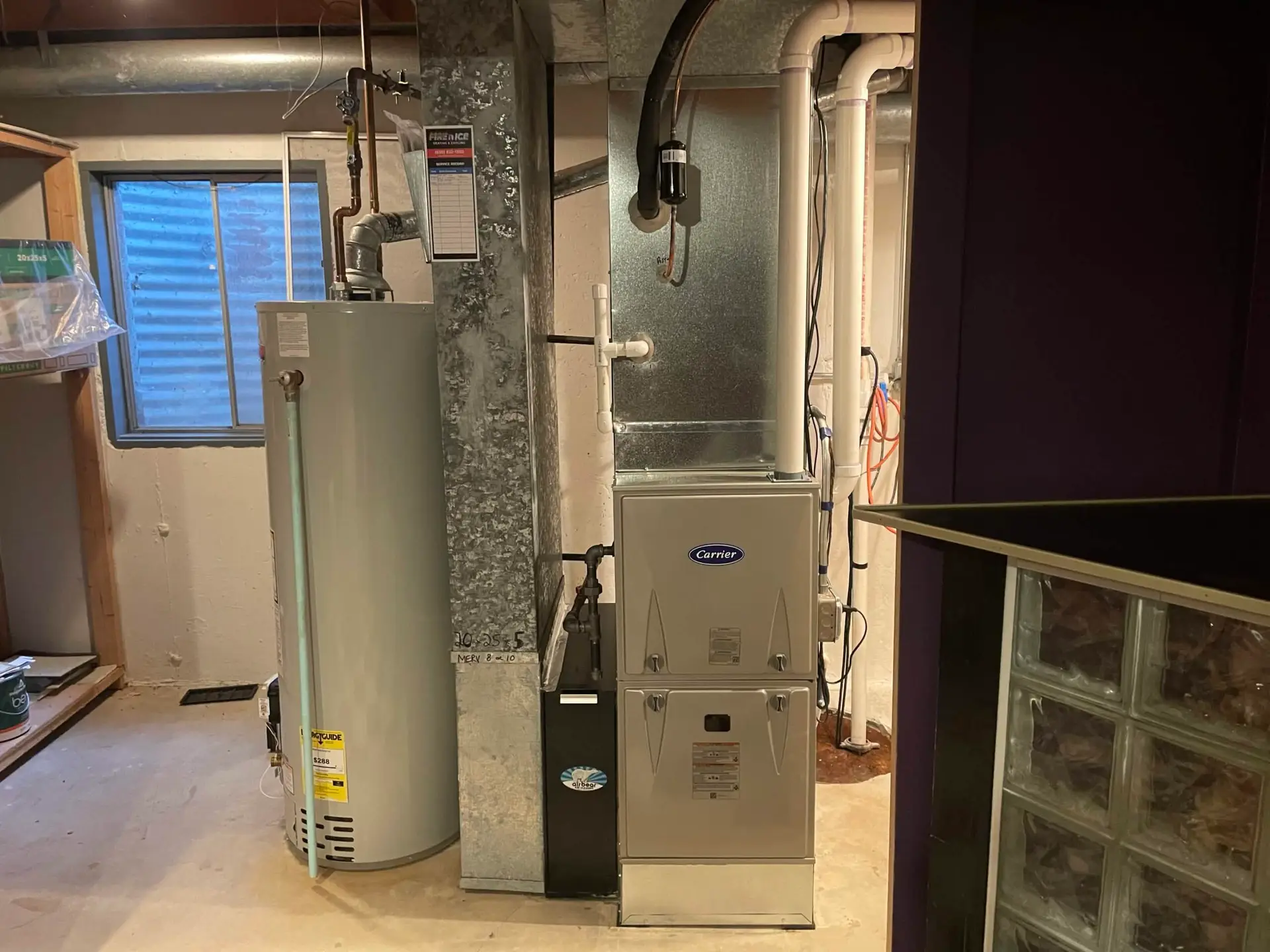
Fire ’n’ Ice Heating & Cooling Inc. provides furnace installation and replacement services in Downers Grove and surrounding areas. To discuss a heating-system replacement, call (630) 852-1300.
Fire ’n’ Ice’s furnace-installation page lists a heating system that is older than 10–15 years as one condition worth considering when evaluating replacement. The same page also points to other factors, including higher energy bills, difficulty keeping the home warm, frequent repair calls, and hot or cold areas.
That is a more useful way to think about age.
A 15-year-old furnace that has been reliable and continues to heat the home normally is a different situation from a furnace of the same age that:
- ●has needed repeated repairs;
- ●has become unreliable;
- ●no longer heats the home comfortably;
- ●has persistent airflow or comfort complaints; or
- ●is already part of a larger HVAC replacement plan.
The calendar can tell you how old the equipment is. It cannot tell you by itself whether replacement is the right decision.
If you are still deciding whether the furnace should be repaired or replaced, start with When to Replace a Furnace Instead of Repair It. This article starts one step later: if replacement is already becoming likely, when should you begin planning it?
The most useful advantage of early-fall furnace planning is that the project can be considered before the heating system becomes an everyday necessity.
That gives homeowners time to work through questions that are harder to answer under pressure.
Evaluate the Existing Furnace
Before choosing new equipment, understand the condition of the current system.
Useful questions include:
- ●Has reliability changed?
- ●Were there repeated repairs last winter?
- ●Are comfort problems still present?
- ●Did the furnace struggle to maintain the desired temperature?
- ●Are there airflow issues that replacement alone may not solve?
- ●Has the home changed since the existing furnace was installed?
The purpose is not to create an arbitrary replacement threshold. It is to determine whether the existing system still fits the home and whether another winter with it is a reasonable plan.
Compare Heating Options
A replacement project may involve more than selecting another version of the existing furnace.
Depending on the home and the rest of the HVAC system, homeowners may want to compare:
- ●furnace options;
- ●heat-pump options;
- ●hybrid heating;
- ●thermostat and control changes; or
- ●coordinated heating and cooling replacement.
If you are comparing system types, Heat Pump vs. Furnace for Chicago-Area Winters can help frame that separate decision.
Clarify the Installation Scope
A new furnace still has to work with the house around it.
Before approving furnace installation, ask how the project will address relevant conditions such as:
- ●system sizing;
- ●ductwork and airflow;
- ●venting;
- ●fuel or electrical requirements;
- ●thermostat compatibility;
- ●equipment location; and
- ●any existing cooling equipment that will remain.
Fire ’n’ Ice’s published furnace information says the company considers system size for the property when helping customers evaluate heating equipment.
For a fuller installation-planning checklist, see Furnace Installation Questions to Ask Before Work Starts.

The calendar alone does not establish that furnace replacement costs less in September or more once winter arrives. Project cost depends on the equipment and installation scope, not on a universal seasonal pricing rule.
The actual project cost can depend on factors such as:
A new furnace cost or furnace installation cost should therefore be evaluated from the actual proposal, not from a seasonal rule.
Do not assume that fall always means shorter lead times, better equipment availability, or easier scheduling unless those conditions are verified for the specific project.
The real benefit of planning before winter is simpler:
You are making the decision before a no-heat situation forces you to make it quickly.
The difference is less about the calendar than about the homeowner’s decision-making conditions.
| Early planning | Replacement after a winter failure |
|---|---|
| Time to evaluate existing equipment | Immediate heat may be the priority |
| Time to compare system options | Decision window may feel shorter |
| Installation scope can be discussed beforehand | Questions may need answers quickly |
| Homeowner can consider broader HVAC plans | Immediate restoration of heat may dominate |
| No assumption that replacement is necessary | Failure still needs diagnosis first |
This does not mean a winter furnace replacement is automatically bad or more expensive.
It means an aging system that is already showing reasons for concern can be evaluated before the situation becomes urgent.
Age becomes more meaningful when it is combined with other evidence.
Consider a replacement evaluation before peak heating season if an older furnace also has one or more of these conditions:
Reliability Has Changed
The furnace may still run, but repeated shutdowns, difficult startups, intermittent heating, or recurring service calls can make the coming winter harder to plan around.
Repairs Are Becoming More Frequent
One repair does not automatically justify replacement.
A pattern of repairs, however, may be worth discussing in the context of the furnace’s overall condition.
Comfort Problems Continue
Persistent cold rooms, uneven heating, weak airflow, or difficulty maintaining the thermostat setting deserve evaluation.
A new furnace should not automatically be expected to fix ductwork or distribution problems, so the contractor should determine what is actually contributing to the complaint.
The Home or HVAC System Has Changed
Additions, remodeling, insulation improvements, new windows, a changed cooling system, or plans for a heat pump can all affect what equipment makes sense next.
Replacement Is Already Highly Likely
If the homeowner and contractor have already identified broader equipment concerns and replacement is becoming the probable next step, delaying the planning until winter may add little value.
An older furnace does not need to be replaced simply because fall has arrived.
Waiting may make sense when:
- ●the system continues to operate reliably;
- ●comfort remains acceptable;
- ●there is no active repair pattern;
- ●no broader equipment concern has been identified;
- ●replacement is still uncertain; or
- ●upcoming home improvements may affect future heating requirements.
This is why furnace replacement should not be driven by age or seasonal urgency alone.
The better question is:
Does the condition of the system give you a reason to plan replacement now?
If replacement is becoming a serious possibility, write down the information you want answered before approving the project.
That keeps the conversation focused on the actual system and project rather than on an age rule or seasonal sales claim.
Plan Furnace Replacement Before the Decision Becomes Urgent
A furnace over 15 years old deserves context, not an automatic replacement order.
If the system is still reliable, age alone may not justify replacing it. If age is combined with recurring repairs, unreliable operation, comfort problems, or a replacement decision that is already taking shape, early fall gives you time to evaluate the project before reliable winter heating becomes more urgent.
Fire ’n’ Ice Heating & Cooling Inc. provides furnace replacement and furnace installation in Downers Grove, IL, and surrounding areas. To discuss the existing system and replacement options, call (630) 852-1300.